Advice
Less Stress = Healthier Skin
Have you ever noticed that your skin seems to break out, become more sensitive, or look dull during stressful periods? That's not your imagination. The connection between stress and skin health is well-established, and one of the key players behind this relationship is a hormone called cortisol.
While stress is a normal part of life, chronic stress can have a significant impact on your skin's appearance and overall health. The good news is that there are natural ways to manage stress, reduce cortisol levels, and support healthier, more radiant skin.
The Skin-Stress Connection

Your skin and nervous system are closely linked. When you experience stress, your body activates its "fight-or-flight" response, releasing hormones such as cortisol and adrenaline. These hormones are helpful during short-term challenges, but when stress becomes chronic, elevated cortisol levels can create a cascade of effects throughout the body—including the skin.
Research has shown that psychological stress can impair the skin's protective barrier, increase inflammation, and slow the skin's natural repair processes. Over time, this can contribute to a variety of skin concerns.
How Stress Can Affect Your Skin

1. Increased Breakouts
Elevated cortisol stimulates oil production in the skin. Excess oil can clog pores, creating an environment where acne-causing bacteria thrive. Many people notice more frequent breakouts during periods of high stress.
2. Premature Aging
Chronic stress promotes inflammation and oxidative stress, which can break down collagen and elastin—the proteins responsible for keeping skin firm and youthful. This may contribute to the appearance of fine lines, wrinkles, and loss of elasticity.
3. Weakened Skin Barrier
Your skin barrier helps retain moisture while protecting against environmental irritants. Stress can compromise this barrier, leading to increased dryness, sensitivity, redness, and irritation.
4. Exacerbation of Skin Conditions

Stress is known to worsen inflammatory skin conditions such as eczema, psoriasis, rosacea, and dermatitis. Many people experience flare-ups during stressful life events.
5. Slower Healing
High cortisol levels can interfere with the body's natural healing processes. Cuts, blemishes, and other skin injuries may take longer to recover when stress levels remain elevated.
6. Dull, Tired-Looking Skin
Poor sleep, increased inflammation, and reduced circulation associated with chronic stress can leave skin looking fatigued, dehydrated, and lacking its natural glow.
What Is Cortisol?

Cortisol is often called the "stress hormone," but it serves many important functions in the body. It helps regulate metabolism, blood sugar, inflammation, and the sleep-wake cycle.
Under normal circumstances, cortisol follows a natural rhythm—highest in the morning and gradually declining throughout the day. However, chronic stress can keep cortisol levels elevated for extended periods, contributing to inflammation and disrupting many bodily functions, including skin health.
Natural Ways to Lower Cortisol and Support Healthy Skin
Managing stress doesn't just benefit your mental well-being—it can also improve the health and appearance of your skin.
Prioritize Quality Sleep

Sleep is one of the most effective natural ways to regulate cortisol levels. During sleep, your body repairs tissues, balances hormones, and supports healthy skin regeneration.
Tips for better sleep:
- Aim for 7–9 hours each night.
- Maintain a consistent sleep schedule.
- Limit screen exposure before bed.
- Keep your bedroom cool, dark, and quiet.
Practice Mindfulness and Meditation
Even a few minutes of daily mindfulness can help calm the nervous system and reduce stress hormone production.
Try:
- Guided meditation
- Mindful breathing exercises
- Progressive muscle relaxation
- Gratitude journaling
Spend Time in Nature

Research suggests that spending time outdoors can help lower stress and cortisol levels. Whether it's a walk through a park, gardening, or hiking, connecting with nature can have a calming effect on both mind and body.
Move Your Body Regularly
Regular physical activity helps regulate stress hormones and supports overall wellness. Moderate exercise is particularly effective for stress management.
Consider:
- Walking
- Yoga
- Swimming
- Cycling
- Pilates
The goal isn't intense training every day—it's consistent movement that you enjoy.
You can insert the following section immediately after the "Move Your Body Regularly" section or before "Practice Deep Breathing" to introduce fascia release as a natural stress-relief strategy.
Consider Fascia Release for Stress Relief

An often-overlooked factor in stress management is the health of your fascia—the connective tissue that surrounds and supports muscles, organs, nerves, and other structures throughout the body. Physical and emotional stress can contribute to tension and restrictions within the fascial system, leading to stiffness, discomfort, and a feeling of being "tight" or stressed.
Simple ways to support fascial health at home include foam rolling, gentle stretching, yoga, massage therapy, and staying well hydrated. Slow, mindful movement practices can be especially beneficial because they combine physical release with nervous system regulation.
Practice Deep Breathing
Simple breathing exercises can quickly activate the body's relaxation response.
Try this technique:
- Inhale through your nose for four seconds.
- Hold for four seconds.
- Exhale slowly for six seconds.
- Repeat for several minutes.
This practice can help calm the nervous system and promote a sense of relaxation.
Eat a Nutrient-Rich Diet

What you eat can influence your body's stress response. Focus on whole, nutrient-dense foods that support balanced inflammation and overall health.
Stress-supportive foods include:
- Leafy greens
- Avocados
- Berries
- Salmon and other omega-3-rich fish
- Walnuts
- Flaxseeds
- Yogurt and fermented foods
Try to limit excessive sugar, highly processed foods, and excess caffeine, which may contribute to stress-related symptoms in some individuals.
Nurture Social Connections
Meaningful relationships play an important role in stress resilience. Spending time with supportive friends and family can help lower stress levels and improve emotional well-being.
Create a Relaxing Skincare Ritual

Your skincare routine can become a form of self-care. Taking a few minutes each day to gently cleanse, moisturize, and nourish your skin can create a calming ritual that benefits both your mind and complexion.
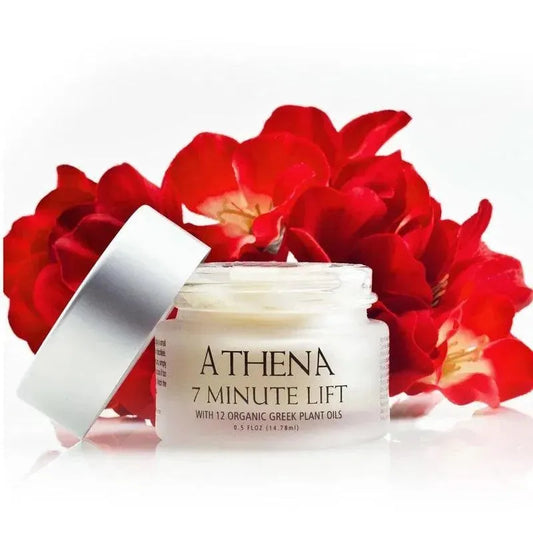
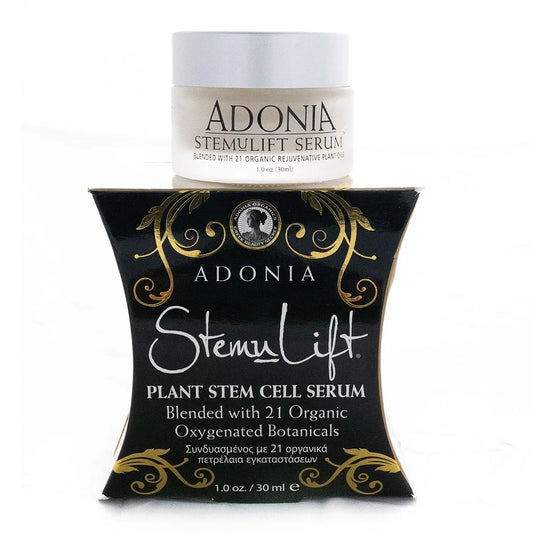
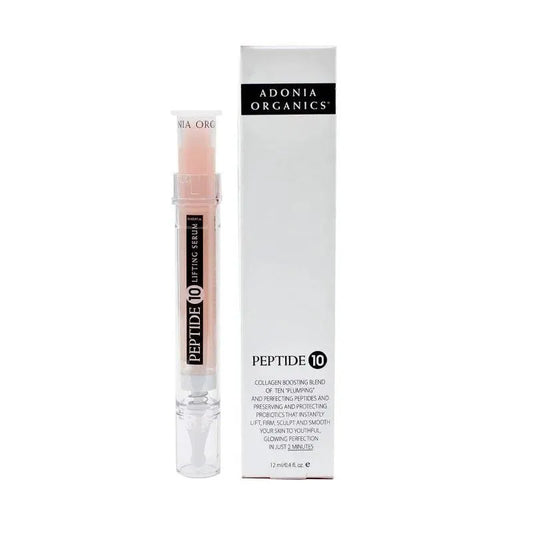
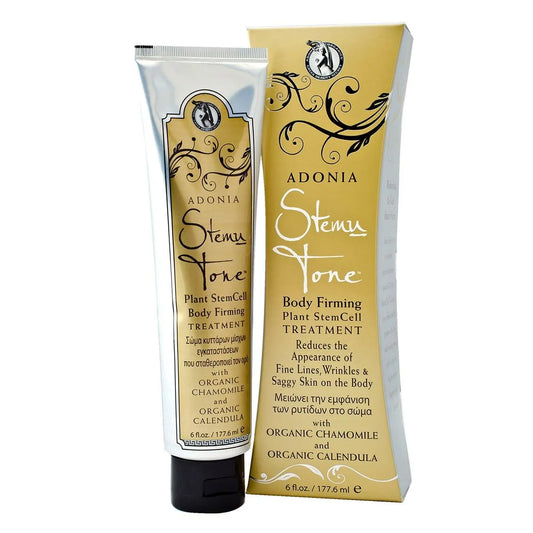
Choosing natural skincare products from Adonia Organics formulated with soothing botanical ingredients can help support the skin barrier while minimizing exposure to harsh chemicals that may aggravate stressed skin.
Final Thoughts
Stress affects more than your mood—it can directly influence your skin's hydration, appearance, and ability to heal. By adopting natural stress-management practices and supporting your skin with gentle, nourishing care, you can help break the cycle of stress-related skin concerns.
Your skin is often one of the first places stress shows up. Listening to those signals and caring for both your body and mind can make a noticeable difference in your complexion—and your quality of life.