Advice
How to Identify a Damaged Skin Barrier
Your skin barrier is your body’s first line of defense. When it’s healthy, your skin looks smooth, hydrated, and radiant. But when that protective barrier becomes damaged, even the gentlest skincare products can suddenly sting, irritate, or leave your skin feeling worse instead of better.
If your skin has been feeling unusually dry, sensitive, flaky, or inflamed lately, your skin barrier may be trying to tell you something.
Here’s how to identify a damaged skin barrier — and what you can do to help restore it naturally.
What Is the Skin Barrier?

The skin barrier, also known as the moisture barrier or lipid barrier, is the outermost layer of your skin. Its job is to:
- Keep moisture locked in
- Protect against pollution and environmental stressors
- Defend against bacteria and irritants
- Maintain smooth, healthy skin texture
When this barrier is weakened, your skin loses water more easily and becomes more vulnerable to irritation and inflammation.
Common Signs of a Damaged Skin Barrier
1. Persistent Dryness or Tightness

One of the earliest signs of barrier damage is skin that feels dry no matter how much moisturizer you apply. This happens because the skin can no longer hold onto hydration effectively. Excessive water loss is a hallmark of barrier breakdown.
2. Redness and Sensitivity
If products that never bothered you before suddenly sting or burn, your barrier may be compromised. Sensitive, reactive skin is often linked to irritation caused by over-exfoliation, harsh cleansers, or environmental stress.
3. Flaking or Rough Texture
Damaged skin barriers often appear flaky, rough, or uneven because the skin cells aren’t properly protected or hydrated.
4. Increased Breakouts

Ironically, a damaged barrier can lead to more acne and congestion. When your skin becomes inflamed and dehydrated, it may overproduce oil in response.
5. Dull, Tired-Looking Skin
Healthy skin reflects light naturally. A weakened barrier can leave skin looking dull, rough, and fatigued.
What Causes Skin Barrier Damage?

Many everyday habits can weaken the skin barrier over time, including:
- Over-exfoliating with acids or scrubs
- Using harsh cleansers or alcohol-heavy products
- Excessive sun exposure
- Pollution and environmental stress
- Overusing active ingredients like retinol
- Hot water and over-cleansing
- Chronic stress and lack of sleep
Even skincare products designed for anti-aging can sometimes disrupt the barrier if they contain irritating additives or aggressive ingredients.
How to Help Repair a Damaged Skin Barrier
Simplify Your Routine

When your barrier is compromised, less is often more. Many skincare users report improvement after reducing their routine to gentle cleansing, hydration, and barrier-supportive moisturizers.
Focus on:
- Gentle, non-stripping cleansers
- Hydrating serums
- Fragrance-free moisturizers
- Daily SPF protection
Avoid overusing exfoliants and harsh treatments until your skin recovers.
Why Collagen Support Matters for Barrier Repair

Collagen plays a major role in keeping skin strong, resilient, and hydrated. As natural collagen production declines with age, skin can become thinner, drier, and more vulnerable to barrier damage.
That’s why many skincare experts recommend products that support the skin’s natural repair and renewal process rather than simply masking dryness.
How Adonia Organics Plant Collagen Can Help
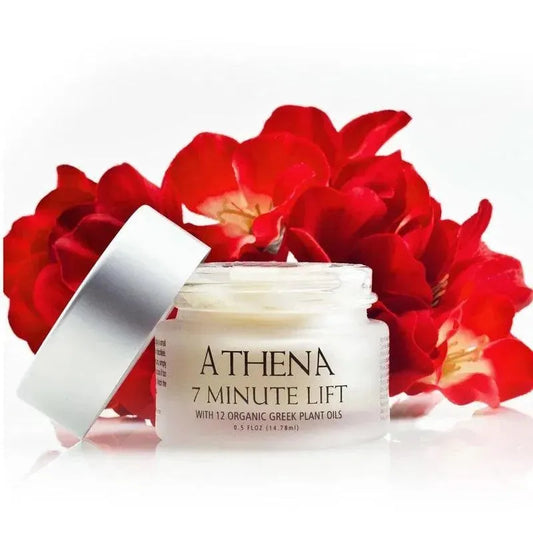
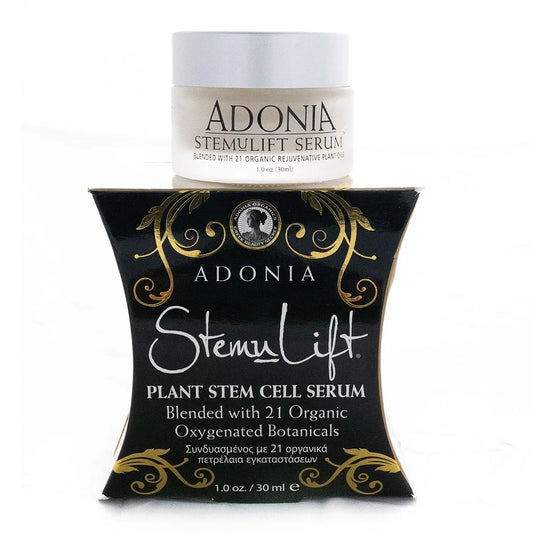
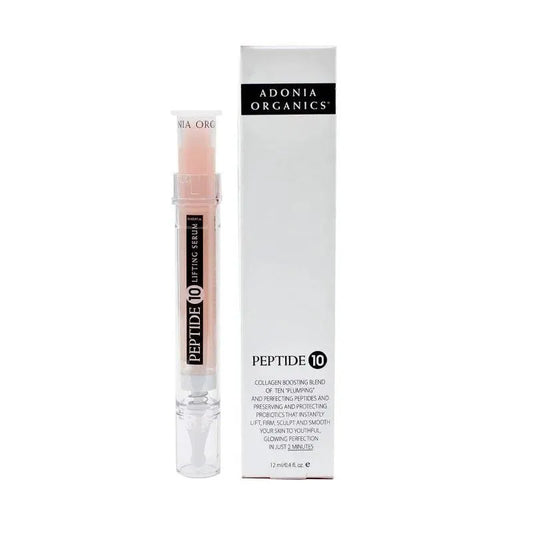
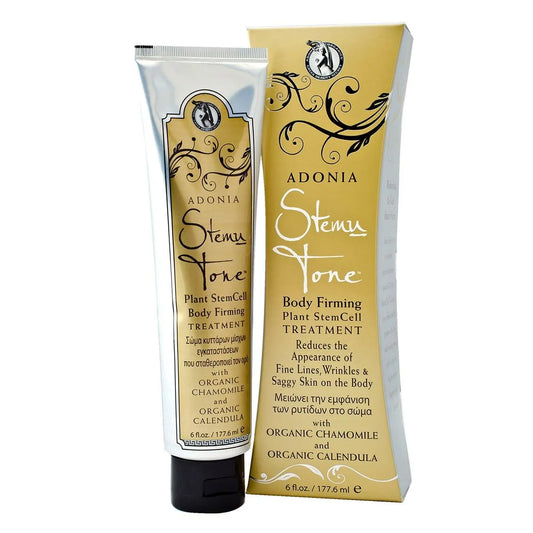
Adonia Organics Plant Collagen Collection combines plant-based collagen support with hydrating botanical ingredients designed to help skin look firmer, smoother, and healthier.
Unlike harsh treatments that can stress already-sensitive skin, Adonia Organics focuses on clean, plant-based skincare that supports long-term skin health. Their formulas are designed to help:

- Improve hydration
- Support skin elasticity
- Reduce the appearance of fine lines
- Help skin feel smoother and more resilient
- Protect against environmental stressors
Adonia Organics also emphasizes botanical ingredients and plant stem cell technology that work with the skin’s natural repair processes rather than overwhelming it with aggressive chemicals.
For compromised skin barriers, this gentler approach can be especially important.
Ingredients That Support a Healthy Skin Barrier

When shopping for barrier-repair skincare, look for products containing:
- Hyaluronic acid
- Peptides
- Antioxidants
- Plant stem cells
- Ceramides
- Botanical extracts
These ingredients help improve hydration, support elasticity, and protect the skin from external stress.
Final Thoughts
A damaged skin barrier can make your skin feel uncomfortable, reactive, and difficult to manage — but with the right approach, it can recover.
The key is to focus on gentle, nourishing skincare that supports your skin’s natural healing process instead of overwhelming it with harsh treatments.
If your skin feels dry, irritated, or stressed, simplifying your routine and incorporating plant-based collagen support like Adonia Organics Plant Collagen may help restore hydration, resilience, and a healthier-looking glow over time.