Advice
Why Is Everyone Talking About Peptides?
If you've spent any time reading beauty magazines, scrolling social media, or watching skincare influencers, you've probably noticed one ingredient appearing everywhere: peptides.
From luxury serums to dermatologist-recommended moisturizers, peptides have become one of the most talked-about ingredients in skincare. They're often promoted for helping skin look firmer, smoother, and more youthful—but what exactly are they, and why are they suddenly getting so much attention?
Let's separate the science from the hype.
What Are Peptides?

Peptides are short chains of amino acids—the building blocks that make up proteins in our bodies.
Two of the most important proteins for youthful-looking skin are:
Collagen, which provides structure and firmness
Elastin, which helps skin remain flexible and resilient
As we age, our bodies naturally produce less collagen and elastin. This gradual decline contributes to visible signs of aging such as fine lines, wrinkles, and loss of firmness.
Certain topical peptides are designed to act as signaling molecules that communicate with skin cells, encouraging the skin's natural renewal processes. While they don't replace collagen directly, some peptides may help support the skin's ability to maintain a healthy-looking appearance.
Why Are Peptides Suddenly Everywhere?

Peptides aren't actually new.
Scientists have been studying peptide technology in skincare for decades. What's changed is consumer awareness.
Several trends have brought peptides into the spotlight:
1. Consumers Want Smarter Skincare
Today's skincare shoppers are more ingredient-savvy than ever.
Instead of buying products based solely on marketing claims, many consumers now look for ingredients backed by scientific research. Peptides have become part of that conversation alongside ingredients like vitamin C, hyaluronic acid, niacinamide, and ceramides.
Beauty publications have increasingly described peptides as one of the most important anti-aging ingredients to watch, helping drive their mainstream popularity.
2. Social Media Has Amplified the Buzz
TikTok, Instagram, and YouTube have made skincare education more accessible than ever.
Dermatologists, estheticians, beauty editors, and content creators regularly explain ingredient lists and compare formulations, with peptides frequently appearing in "best anti-aging ingredients" videos.
Interest has grown so much that beauty industry reports have documented significant increases in online searches for peptide skincare products.
3. People Want Alternatives to More Aggressive Treatments
Many consumers are looking for ways to improve the appearance of aging skin without harsh procedures or lengthy downtime.
While peptides aren't a replacement for professional treatments, they're often included in skincare routines designed to support smoother, firmer-looking skin over time.
Not All Peptides Are the Same

One reason peptides can seem confusing is that the word "peptide" describes a large family of compounds.
In skincare, several categories are commonly used:
Signal Peptides
These are among the most widely used cosmetic peptides. They're designed to help support the skin's natural repair processes and encourage healthier-looking skin.
Carrier Peptides
These help deliver trace minerals, such as copper, that play roles in normal skin function.
Enzyme-Inhibiting Peptides
Some peptides are formulated to help reduce the breakdown of collagen already present in the skin.
Neurotransmitter-Inspired Peptides
Certain cosmetic peptides are formulated to help soften the appearance of expression lines by influencing how facial muscles communicate. These ingredients are often described as offering a gentler, topical approach to improving the look of dynamic wrinkles.
Why Peptides Work Well with Other Ingredients

One reason dermatologists frequently recommend peptides is that they generally pair well with other proven skincare ingredients.
A balanced routine might include:
Vitamin C for antioxidant protection
Hyaluronic acid for hydration
Ceramides to strengthen the skin barrier
Botanical antioxidants to help defend against environmental stressors
Peptides to support firmer, smoother-looking skin
Rather than relying on one "miracle ingredient," these ingredients often complement one another as part of a consistent skincare routine.
Peptides Beyond Skincare

If you've noticed peptides appearing in news headlines lately, you're not imagining it.
The term "peptide" has expanded well beyond the beauty industry. News stories now discuss peptide-based medications, experimental wellness products, sports recovery compounds, and anti-aging therapies. That broader interest has fueled public curiosity, but it's important to distinguish these products from cosmetic skincare peptides. Many injectable or experimental peptide products are still being studied, and some have become the subject of ongoing regulatory debate because evidence for their safety and effectiveness varies widely.
Topical cosmetic peptides are different. They are formulated for use on the skin and have become popular because they're generally well tolerated and are incorporated into products intended to improve the appearance of firmness, hydration, and fine lines.
What Results Can You Expect?

Like most skincare ingredients, peptides aren't an overnight solution.
Healthy skin changes gradually, and visible improvements typically depend on:
- Consistent daily use
- The overall formulation of the product
- Daily sun protection
- Good hydration
- Lifestyle factors such as sleep and nutrition
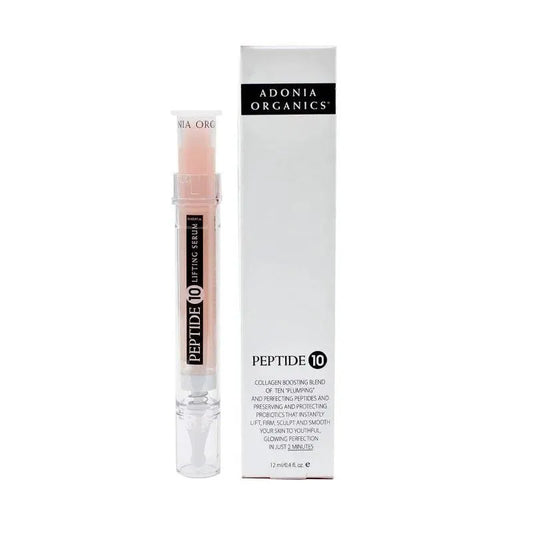
With continued use as part of a well-rounded skincare routine, many people notice skin that appears smoother, more hydrated, and more resilient. Adonia Organics Peptide 10 Serum:
- Stimulates Skin’s Renewal System, Collagen and Elastin
- Can be used before or after make-up application
- Natural, Premium-Grade Peptides
- Paraben-Free, Cruelty-Free and Gluten-Free
- Instant results that last for up to 10 hours
- 100% Plant-based
The Bottom Line
Peptides have earned their place in today's skincare conversation because they combine solid scientific interest with growing consumer demand for effective, evidence-informed ingredients.
While the media often focuses on peptides as the latest beauty buzzword, their popularity isn't based on hype alone. Cosmetic peptides have been studied for years and continue to be incorporated into advanced skincare formulas designed to support healthier-looking, younger-looking skin.
At Adonia Organics, we believe the best skincare combines nature with science. That's why we value carefully selected botanical ingredients alongside modern innovations like peptides—creating formulas that nourish the skin, support its natural renewal processes, and help you maintain a radiant complexion at every age.
After all, great skincare isn't about chasing trends. It's about choosing ingredients that help your skin look and feel its very best for years to come.