Advice
Cold Weather Skincare
When the temperature drops, your skin feels it first. One day it is happily hydrated and cooperative, the next it feels tight, flaky, reactive, and oddly dull. Cold weather has a way of sneaking up on your complexion, stealing moisture and leaving irritation in its wake. Winter skincare is not about piling on more products. It is about smarter protection, deeper nourishment, and learning how to work with your skin instead of against it.
Here is how to adjust your skincare routine for cold weather so your skin stays resilient, radiant, and comfortable all season long.
Why Cold Weather Is Hard on Skin

Winter creates a perfect storm for dryness and sensitivity. Cold outdoor air holds very little moisture, while indoor heating systems pull humidity from the environment. The result is rapid water loss from the skin, known as transepidermal water loss. At the same time, cold temperatures slow oil production, weakening the skin barrier that normally keeps moisture locked in.
Add in harsh winds, hot showers, and heavier clothing rubbing against the skin, and you have a recipe for redness, flaking, and irritation. Even people who normally have oily or balanced skin often notice dryness and sensitivity in winter.
Understanding this seasonal shift is the first step toward adapting your skincare routine.
Cleanse Gently and Less Often

In winter, your cleanser can either protect your skin barrier or quietly sabotage it. Foaming and gel cleansers that feel refreshing in summer often strip away the oils your skin desperately needs in cold weather.
Switch to a gentle, non-foaming cleanser with a creamy or milky texture. Look for formulas like Adonia Organics Daily Cleansing Gel that include plant oils, glycerin, or aloe to cleanse without leaving skin tight or squeaky. Washing your face once a day, preferably at night, can also help preserve natural oils. In the morning, a splash of lukewarm water or a gentle micellar water is often enough.
Hot water may feel comforting, but it dissolves protective lipids and worsens dryness. Keep water temperature warm, not hot, and limit cleansing time.
Hydration Comes Before Moisture
One of the most common winter skincare mistakes is focusing only on heavy creams without addressing hydration. Hydration refers to water content in the skin, while moisture refers to oils that seal it in. In cold weather, you need both.
After cleansing, apply a hydrating serum or essence while your skin is still slightly damp. Ingredients like hyaluronic acid, glycerin, and beta-glucan draw water into the skin and help plump fine lines caused by dehydration. Botanical humectants, such as aloe vera or seaweed extracts, offer hydration without irritation.
Layering hydration before moisturizer helps prevent that tight, uncomfortable feeling that often appears by midday in winter.
Upgrade Your Moisturizer for the Season

Your summer moisturizer may not be enough when temperatures drop. Winter calls for richer textures that support the skin barrier and prevent moisture loss.
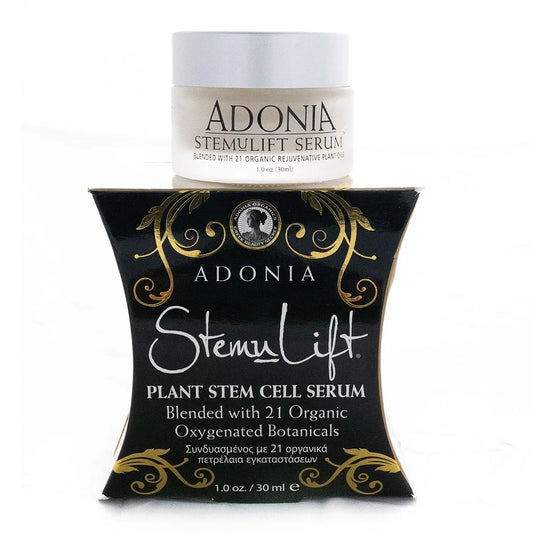
Look for moisturizers like Adonia Organics StemuLift Serum that contain plant-based oils, shea butter, squalane, or jojoba oil. These ingredients mimic the skin’s natural lipids and help restore flexibility and softness. Organic formulations are often especially helpful in winter, as they rely on nourishing oils and botanical extracts rather than synthetic fillers.
Apply moisturizer while your skin is still slightly damp from your serum to lock in hydration more effectively. If your skin is extremely dry, consider layering a facial oil over your moisturizer at night for added protection.
Do Not Skip Sunscreen

It is easy to forget sunscreen when the sun feels weak and days are shorter, but ultraviolet rays are present year-round. Snow reflects sunlight, increasing UV exposure, and cold weather does not reduce the risk of sun damage.
Daily sunscreen helps prevent premature aging, uneven skin tone, and collagen breakdown. Choose a mineral-based sunscreen with zinc oxide or titanium dioxide, especially if your skin becomes sensitive in winter. Many mineral formulas also offer soothing benefits and work well under makeup.
Apply sunscreen as the final step in your morning routine, even on cloudy days.
Exfoliate Carefully
Exfoliation helps remove flaky skin and allows moisturizers to penetrate more effectively, but winter is not the time for aggressive scrubs or frequent exfoliation.
Limit exfoliation to once a week, or even less if your skin is sensitive. Opt for gentle chemical exfoliants like lactic acid or fruit enzymes instead of physical scrubs. These help dissolve dead skin cells without causing micro-tears or inflammation.
If your skin feels raw, stings when you apply products, or looks persistently red, pause exfoliation entirely and focus on barrier repair.
Protect Your Skin Barrier
Your skin barrier is your best defense against cold weather damage. When it is compromised, moisture escapes and irritants enter more easily.
Ingredients that support barrier health include ceramides, fatty acids, niacinamide, and plant oils rich in omega fatty acids. Calming botanicals like chamomile, calendula, and green tea can also reduce winter redness and sensitivity.
Avoid products with high alcohol content, strong fragrances, or harsh actives during colder months. Winter is a season for soothing and strengthening, not aggressive correction.
Do Not Forget Your Body, Lips, and Hands

Cold weather skincare is not just about your face. The skin on your body, lips, and hands often shows signs of winter damage first.
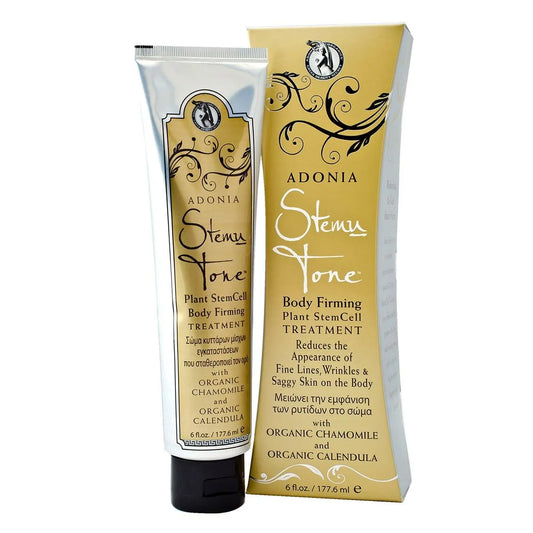
Apply body lotion like Adonia Organics StemuTone Serum immediately after showering to seal in moisture. Thicker creams and balms work best for elbows, knees, and shins. For hands, keep a rich hand cream nearby and reapply throughout the day, especially after washing.
Lips need special attention in winter. Use a nourishing lip balm with natural waxes and oils, and avoid licking your lips, which worsens dryness. A gentle lip scrub once a week can help keep lips smooth.
Support Your Skin From the Inside Out

What you do beyond your skincare routine matters just as much in winter. Drinking enough water, even when you do not feel thirsty, supports overall skin hydration. Eating healthy fats from foods like avocados, nuts, seeds, and olive oil helps maintain skin elasticity.
Using a humidifier at home can make a noticeable difference, especially if you use indoor heating. Adding moisture back into the air helps prevent overnight dehydration and morning tightness.
Embrace a Seasonal Skincare Mindset
Cold weather skincare is about listening to your skin and adapting to its needs. What worked in summer may feel inadequate or irritating in winter, and that is normal. Seasonal shifts are an invitation to slow down, simplify, and nourish.
By cleansing gently, layering hydration, upgrading your moisturizer, and protecting your skin barrier, you can keep your complexion comfortable and glowing even in the coldest months. Winter may be harsh, but with the right skincare approach, your skin does not have to be.