Advice
Understanding the Estrogen Shift
Estrogen isn’t just a “female hormone.” Think of it as a conductor in the symphony of the body — gracefully cueing vital functions from head to toe. While people often associate it with reproductive health, estrogen plays roles far beyond periods and fertility. And as we move into perimenopause and menopause, the tune changes in very real ways.
Let’s unpack what estrogen does, why it matters, and how its shift through midlife can create ripple effects in your health — with clarity, compassion, and a little science that feels more like “ahh-now I get it,” not “oh no!”
Estrogen: The Multitasking Maestro

Estrogen isn’t a single molecule. It’s a family of hormones — the most common being estradiol, estrone, and estriol — each with its own rhythm and purpose. Together, they help regulate and support:
1. Reproductive Health & Cycles
Estrogen helps control the menstrual cycle, stimulates ovulation, and supports a healthy uterine lining. It’s part of what gives monthly cycles their cadence and predictability in younger years.
2. Bone Strength
Estrogen helps preserve bone density by working hand-in-hand with calcium and vitamin D. That’s why bone loss can accelerate when estrogen drops — a key factor in osteoporosis risk later in life.
3. Heart & Blood Vessels
It supports healthy cholesterol levels and helps keep blood vessels flexible. This partly explains why heart disease risk rises after menopause — as estrogen’s cardiovascular tune softens.
4. Brain & Mood

Estrogen influences neurotransmitters like serotonin and dopamine — the chemicals that help regulate mood, memory, and even sleep. That’s why emotional shifts, foggy thinking, or sleep disruptions can crop up as estrogen changes.
5. Skin, Hair & Collagen
Estrogen helps maintain skin thickness and elasticity. It supports sebum production (your skin’s natural moisturizers) and encourages collagen — the scaffolding that keeps skin firm.
6. Metabolism & Fat Storage
Estrogen affects where and how your body stores fat. Changes in estrogen levels can shift body composition, sometimes redistributing fat to the abdomen.
Perimenopause: The Transition Begins

Perimenopause typically starts in your 40s, but it can begin earlier or later. During this time, estrogen levels fluctuate — rising and falling unpredictably — and it’s this variability that often triggers symptoms.
Common Perimenopausal Shifts
- Irregular periods
- Hot flashes and night sweats
- Mood fluctuations
- Changes in sleep quality
- Bloating
- Breast tenderness
- Vaginal dryness
Unlike the steady rhythm of reproductive years, perimenopause is more like changing tempos mid-song. Estrogen spikes one month, dips the next — and your body feels the effects.
Menopause: A New Hormonal Chapter

Menopause is officially reached when you haven’t had a period for 12 consecutive months. At this point, estrogen production from the ovaries declines significantly.
This doesn’t mean estrogen disappears entirely (your body still makes small amounts in fat tissues and the adrenal glands), but levels are much lower and more stable — leading to a quieter hormonal score.
What Lower Estrogen Means
While many symptoms of perimenopause ease, others persist or emerge:
- Continued hot flashes
- Vaginal dryness and discomfort
- Decreased bone density
- Changes in metabolism
- Sleep disturbances
- Mood shifts
These changes are normal reflections of shifting estrogen support — but they don’t have to be something you just “put up with.”
Supporting Your Body Through the Estrogen Shift
There’s no single “fix” for hormonal changes, but many women find that lifestyle, nutrition, and mindful self-care can help ease transitions:
Nutrition & Hormone Support
- Foods rich in phytoestrogens like flaxseed, legumes, nuts
- Calcium + vitamin D to support bone health
- Omega-3 fatty acids for inflammation and brain support

Movement
- Weight-bearing exercise supports bone strength
- Gentle cardio and yoga help circulation and mood
Restorative Self-Care
- Prioritize sleep routines
- Stress-buffering practices (meditation, breathwork, warm baths with calming botanicals)
Targeted Skincare
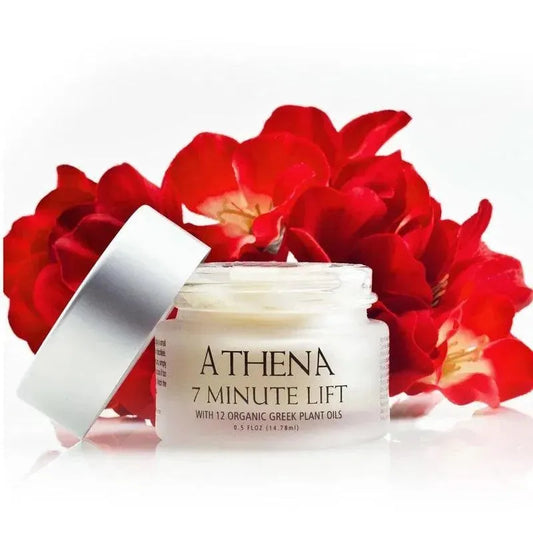
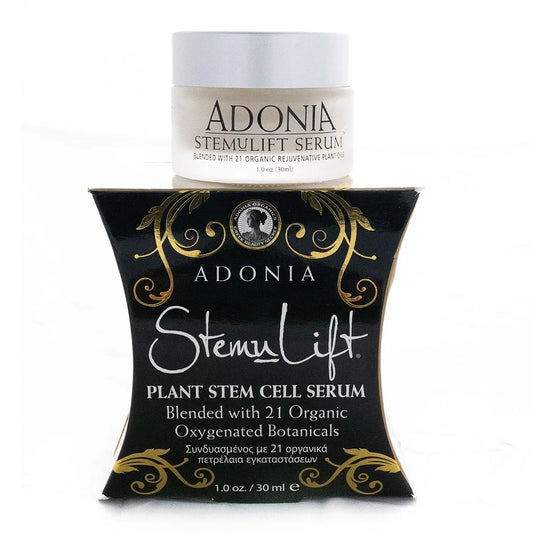
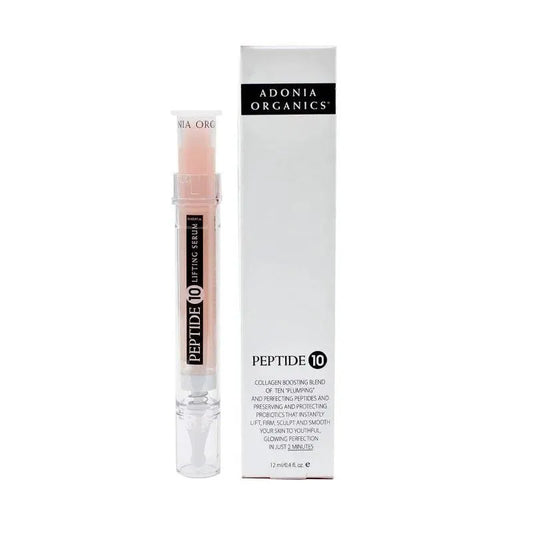
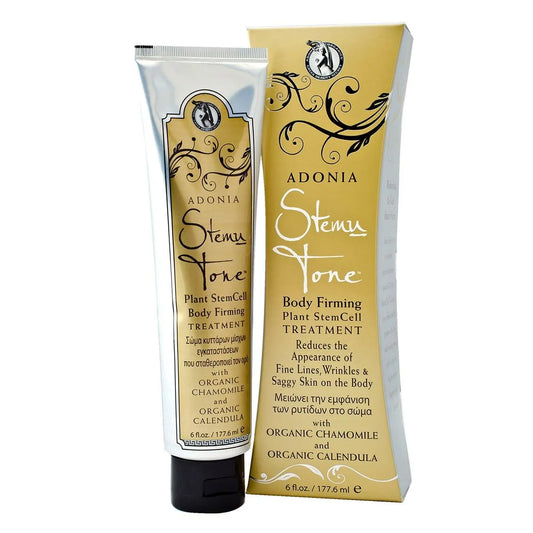
As estrogen wanes, skin’s collagen production slows. Using products that support hydration and barrier health can make a beautiful difference — especially serums and creams rich in peptides and antioxidants.
Final Note
Estrogen’s role in the female body is vast — and its decline in perimenopause and menopause isn’t a loss so much as a transition. It’s a shift from one hormonal landscape into another, one that invites care, curiosity, and support.
Celebrating your body through each phase — with knowledge, tailored wellness, and gentle nourishment — can make this natural evolution feel empowering instead of perplexing.
If you’re navigating perimenopause or menopause and want to explore supportive botanicals, restorative routines, or skin-loving rituals, we’re here for you every step of the way