Advice
Peptides: Tiny Messengers with BIG Benefits
In the world of organic skincare, there’s a quiet revolution happening at the molecular level. It’s not flashy like a 10-step routine or dramatic like an overnight peel. It’s subtle, science-backed, and surprisingly elegant. Enter peptides: small but mighty chains of amino acids that act like text messages for your skin cells, gently reminding them how to behave like their younger, more energetic selves.
If you’ve been seeing peptides pop up on ingredient lists for organic serums, creams, and eye treatments, you’re not alone. They’ve become one of the most talked-about skincare ingredients of the last few years, and for good reason. Peptides deliver real results without the irritation often associated with harsher anti-aging actives. For anyone who prefers a cleaner, plant-forward approach to skincare, peptides fit beautifully into the organic philosophy.
Let’s break down what peptides actually are, how they work, and why they’ve earned a permanent place in organic skincare routines.
What Exactly Are Peptides?

Peptides are short chains of amino acids, which are the building blocks of proteins like collagen, elastin, and keratin. These proteins give your skin its structure, firmness, and resilience. When your body is young, it produces them abundantly. As the years pass, production slows, and skin begins to lose its bounce and smoothness.
Here’s where peptides shine. When applied topically, certain peptides act as messengers. They signal skin cells to ramp up collagen production, repair damage, or calm inflammation. Instead of forcing your skin to change, peptides gently encourage it to remember what it already knows how to do.
Think of peptides as polite nudges rather than loud instructions. That’s a big reason they’re so well-tolerated, even by sensitive or mature skin.
Why Peptides Work So Well in Organic Skincare

Organic skincare focuses on supporting the skin’s natural processes rather than overpowering them. Peptides align perfectly with that philosophy.
Many conventional anti-aging ingredients rely on exfoliation or stimulation that can compromise the skin barrier over time. Peptides, on the other hand, work in harmony with your skin’s biology. They don’t thin the skin, cause photosensitivity, or demand recovery time.
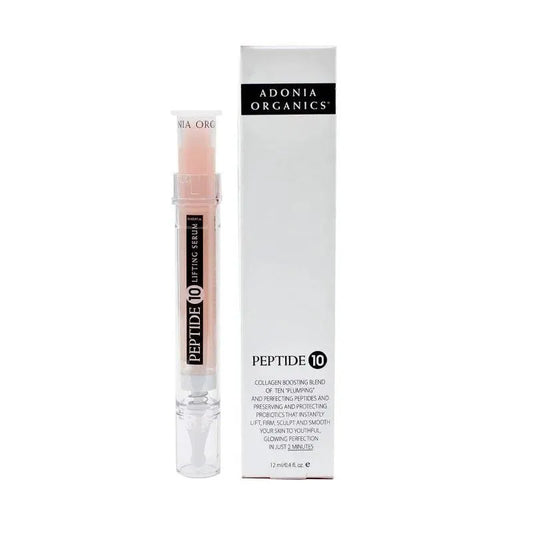
In organic formulations, such as Adonia Organics Peptide 10, botanical extracts are often paired with plant oils and natural hydrators that enhance their effectiveness. Ingredients like aloe vera, rosehip oil, green tea, chamomile, and hyaluronic acid help create an environment where peptides can do their job more efficiently.
The result is skin that looks firmer, smoother, and healthier without the redness or irritation that sends you reaching for concealer.
The Different Types of Peptides (And What They Do)

Not all peptides are created equal. Different peptides send different messages, and organic skincare brands often combine several types to target multiple concerns.
Signal peptides are the most common in anti-aging products. They tell skin cells to produce more collagen and elastin, helping improve firmness and reduce the appearance of fine lines.
Carrier peptides help deliver essential minerals like copper or magnesium to the skin, supporting wound healing and skin regeneration.
Enzyme-inhibiting peptides slow down the breakdown of collagen, helping preserve what your skin already has.
Neurotransmitter-inhibiting peptides relax facial tension by limiting muscle contraction. These are sometimes described as a gentler, topical alternative to injectables, offering smoothing effects without freezing expression.
Organic skincare products often use plant-derived or bio-identical peptides that mimic the body’s natural processes, keeping formulations clean and skin-friendly.
Peptides and Aging Skin: A Natural Partnership

As skin matures, it becomes thinner, drier, and slower to repair itself. Peptides are especially valuable during this stage because they support exactly what aging skin struggles with most: collagen production, elasticity, and recovery.
Regular use of peptide-rich products can help soften the look of fine lines, improve skin texture, and restore a more resilient feel. Over time, skin often appears firmer and more even-toned, with that elusive “well-rested” look that no amount of caffeine can replicate.
Peptides also play well with other gentle anti-aging staples like vitamin C, niacinamide, and botanical antioxidants. They don’t compete or cancel each other out, making them ideal for simplified routines that still deliver results.
Are Peptides Safe for Sensitive Skin?
One of the biggest advantages of peptides is their excellent tolerability. Unlike retinoids or strong acids, peptides don’t exfoliate or disrupt the skin barrier. That makes them suitable for sensitive, reactive, or post-menopausal skin that needs extra care.
In organic formulations, peptides are typically free from synthetic fragrances, parabens, phthalates, and harsh preservatives. This reduces the risk of irritation even further.
If your skin tends to protest loudly when you try new products, peptides offer a calm, reassuring presence in your routine.
How to Use Peptides for Best Results

Peptides work best when applied consistently and thoughtfully. They’re most commonly found in serums and moisturizers, which allow for prolonged contact with the skin.
Apply peptide products to clean, slightly damp skin to enhance absorption. Follow with a nourishing moisturizer to lock in hydration and support the skin barrier.
Because peptides are not photosensitizing, they can be used both morning and night. In fact, using them twice daily often yields the best results over time.
Patience is key. Peptides don’t deliver instant, dramatic changes. Instead, they offer gradual improvements that build with regular use. Think of them as a long-term investment in your skin’s future.
Peptides vs. Harsh Anti-Aging Ingredients
In a skincare culture obsessed with quick fixes, peptides offer a refreshing alternative. They won’t peel, sting, or shock your skin into submission. Instead, they help restore balance and function from within.
While ingredients like retinol and strong acids have their place, they’re not always the best choice for everyone, especially those committed to organic skincare or dealing with sensitivity. Peptides provide a gentler path to smoother, firmer skin without sacrificing comfort or barrier health.
The Bottom Line
Peptides may be small, but their impact on the skin is anything but. In organic skincare products, they represent a thoughtful blend of science and nature, offering real anti-aging benefits without harsh side effects.
If you’re looking to support collagen production, improve skin texture, and age gracefully while staying true to a clean beauty philosophy, peptides deserve a spot on your bathroom shelf.
Quietly effective, deeply supportive, and beautifully compatible with organic ingredients, peptides are proof that sometimes the most powerful changes happen behind the scenes.